
AV Receivers
Shop AV receivers that deliver immersive surround sound, 4K/8K video support, and smart connectivity. Perfect for building or upgrading your home theater system with premium audio control.

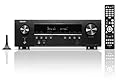

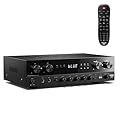

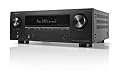
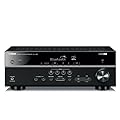
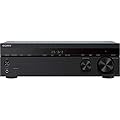
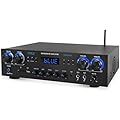

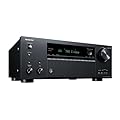

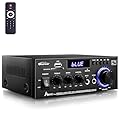
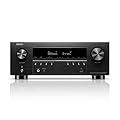
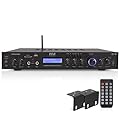
What Is an AV Receiver?
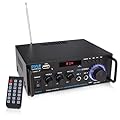
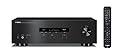
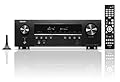
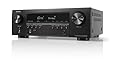
An AV receiver is a multifaceted device that serves as the command center for your home theater or audio system. It receives audio and video signals from various sources—such as Blu-ray players, gaming consoles, streaming devices, or turntables—and processes, amplifies, and distributes them to your speakers and display devices. Beyond amplification, AV receivers decode advanced audio formats, manage multiple input sources, and often include smart features like wireless streaming and voice control.
Think of an AV receiver as the conductor of an orchestra, ensuring every component works in harmony to produce a cohesive and captivating audio-visual experience. From powering surround sound setups to supporting high-definition video, these devices are designed to handle the demands of modern entertainment.
Why Choose an AV Receiver?
Unmatched Audio Performance
The primary function of an AV receiver is to amplify audio signals, delivering clear, powerful sound to your speakers. Unlike basic stereo receivers, AV receivers support multi-channel audio formats like Dolby Atmos, DTS:X, and Auro-3D, creating a three-dimensional soundstage that envelops listeners. Whether it's the roar of an engine in an action movie or the subtle rustle of leaves in a nature documentary, an AV receiver brings every sound to life with precision and depth.
High-quality receivers also feature advanced digital signal processing (DSP) to fine-tune audio output. Features like room correction technology—such as Audyssey, Dirac Live, or Yamaha’s YPAO—analyze your room’s acoustics and adjust sound output to compensate for echoes, reflections, or uneven speaker placement. This ensures optimal audio performance tailored to your space.
Versatile Video Connectivity
Modern AV receivers are not just about sound; they are built to handle high-resolution video signals. Most models support 4K Ultra HD, HDR (High Dynamic Range), and even 8K video passthrough, ensuring compatibility with the latest TVs and projectors. HDMI inputs and outputs allow seamless connections to devices like streaming media players, gaming consoles, and cable boxes, while features like HDMI ARC (Audio Return Channel) and eARC simplify integration with smart TVs, enabling two-way audio communication without extra cables.
For gamers, premium AV receivers offer low-latency features like Auto Low Latency Mode (ALLM) and Variable Refresh Rate (VRR), ensuring smooth, lag-free gameplay. These capabilities make AV receivers a future-proof investment for evolving video technologies.
Multi-Room and Streaming Capabilities
Many AV receivers come equipped with multi-room audio features, such as HEOS, MusicCast, or Sonos integration, allowing you to stream music to different rooms in your home. Built-in Wi-Fi, Bluetooth, and AirPlay 2 support enable wireless streaming from smartphones, tablets, or computers, while services like Spotify Connect, Tidal, and Amazon Music are often integrated for instant access to your favorite playlists.
Some models even support voice assistants like Amazon Alexa, Google Assistant, or Apple Siri, letting you control playback or adjust settings with simple voice commands. This blend of wired and wireless connectivity makes AV receivers a versatile choice for both dedicated home theater setups and whole-home audio systems.
Key Features to Look for in an AV Receiver
When shopping for an AV receiver, understanding the key features will help you choose the right model for your needs. Here are the essential aspects to consider:
Channels and Power Output
AV receivers are categorized by the number of channels they support, typically denoted as 5.1, 7.2, or 9.2. The first number indicates the number of main speakers, while the decimal represents subwoofer outputs. For example:
-
5.1: Five speakers (front left, front right, center, surround left, surround right) and one subwoofer.
-
7.2: Seven speakers (adding rear surrounds) and two subwoofers.
-
9.2 or higher: Supports advanced setups like Dolby Atmos with height channels for overhead sound effects.
Power output, measured in watts per channel, determines how loudly and cleanly the receiver can drive your speakers. Look for models with at least 80-100 watts per channel (at 8 ohms, 20Hz-20kHz) for robust performance, especially in larger rooms or with less efficient speakers.
Audio Format Support
The best AV receivers support cutting-edge audio formats to deliver immersive sound. Key formats include:
-
Dolby Atmos: Creates a 3D audio experience with sound moving around and above you.
-
DTS:X: Offers flexible speaker configurations for dynamic sound placement.
-
Auro-3D: Enhances height channels for a hemispherical soundstage.
Ensure the receiver supports the formats compatible with your content and speaker setup. For example, Dolby Atmos requires height speakers or upward-firing modules, so confirm the receiver has enough channels to accommodate these.
Connectivity Options
A robust set of inputs and outputs is crucial for integrating all your devices. Look for:
-
HDMI Inputs/Outputs: At least 4-6 HDMI inputs for connecting multiple devices, with support for 4K/8K, HDR10+, Dolby Vision, and HDCP 2.3.
-
Analog and Digital Audio Inputs: For connecting older devices like CD players or turntables (some receivers include a dedicated phono input for vinyl enthusiasts).
-
Wireless Connectivity: Wi-Fi, Bluetooth, and AirPlay for streaming music and multi-room audio.
-
Zone Outputs: For sending audio to additional rooms or outdoor spaces.
Room Calibration and Setup
Room correction technology is a game-changer for optimizing sound quality. Systems like Audyssey MultEQ XT32 or Dirac Live measure your room’s acoustics using a microphone and adjust the receiver’s output to balance sound across frequencies. This is especially important in rooms with irregular shapes or reflective surfaces.
Some receivers also offer guided setup interfaces, often accessible via an on-screen display or a mobile app, making it easy to configure speakers, inputs, and network settings.
Smart Features and User Interface
Modern AV receivers often include smart features to enhance usability. Look for models with intuitive mobile apps for setup and control, support for voice assistants, and integration with smart home ecosystems. A clear, responsive on-screen interface can simplify navigation, especially when switching between inputs or adjusting audio settings.
Benefits of Investing in a Quality AV Receiver
Enhanced Home Theater Experience
An AV receiver elevates movies, TV shows, and games by delivering cinematic sound and visuals. With support for surround sound and high-resolution video, you’ll feel like you’re in the middle of the action, whether it’s a superhero blockbuster or a live concert.
Scalability and Flexibility
AV receivers are designed to grow with your system. Entry-level models support basic 5.1 setups, while high-end receivers offer expandability for 7.2, 9.2, or even 11.2 configurations. You can start with a simple setup and add speakers, subwoofers, or height channels over time.
Long-Term Value
A quality AV receiver is a long-term investment, thanks to its compatibility with emerging technologies like 8K video, next-gen audio formats, and wireless streaming standards. By choosing a model with robust connectivity and upgradable firmware, you ensure your system remains relevant for years.
Simplified Integration
Instead of managing multiple devices with separate remotes, an AV receiver consolidates control into a single unit. With universal remote support or app-based control, you can switch between inputs, adjust volume, and fine-tune settings effortlessly.
Types of AV Receivers
AV receivers come in various tiers, each catering to different needs and budgets:
Entry-Level AV Receivers
Priced between $300 and $600, entry-level receivers are ideal for beginners or smaller setups. They typically support 5.1 or 7.1 channels, 4K video passthrough, and basic streaming features. While they may lack advanced room correction or high-power output, they deliver solid performance for modest home theaters.
Mid-Range AV Receivers
Ranging from $600 to $1,200, mid-range receivers offer a balance of performance and features. They support 7.2 or 9.2 channels, advanced audio formats like Dolby Atmos, and enhanced connectivity options. These models often include better room calibration systems and higher power output for larger rooms.
High-End AV Receivers
Priced above $1,200, high-end receivers are designed for audiophiles and home theater enthusiasts. They boast 9.2 or 11.2 channels, premium DACs (digital-to-analog converters), and advanced video processing. Features like multi-zone audio, high-wattage amplification, and support for 8K video make them ideal for sophisticated setups.
Network AV Receivers
Network receivers emphasize streaming and multi-room audio. With built-in Wi-Fi, Bluetooth, and platforms like HEOS or MusicCast, they’re perfect for users who prioritize music streaming alongside home theater performance.
Considerations When Buying an AV Receiver
Room Size and Speaker Setup
The size of your room and the complexity of your speaker setup will dictate the receiver’s power and channel requirements. A small living room may only need a 5.1 receiver with 80 watts per channel, while a dedicated home theater room might require a 9.2 receiver with 150 watts per channel.
Compatibility with Existing Equipment
Ensure the receiver is compatible with your speakers, TV, and source devices. Check impedance ratings (e.g., 4, 6, or 8 ohms) for speakers and confirm that the receiver’s HDMI ports support the resolutions and formats of your display.
Budget and Future Needs
While entry-level receivers are cost-effective, investing in a mid-range or high-end model can offer better longevity and flexibility. Consider whether you plan to upgrade your system in the future, such as adding more speakers or transitioning to 8K.
Brand and Ecosystem
Brands like Denon, Yamaha, Onkyo, and Marantz dominate the AV receiver market, each offering unique features. For example, Denon’s HEOS platform excels in multi-room audio, while Yamaha’s MusicCast is known for its versatility. Choose a brand that aligns with your existing equipment or preferred ecosystem.
Setting Up Your AV Receiver
Setting up an AV receiver can seem daunting, but most models include user-friendly guides. Here’s a basic overview:
-
Connect Your Devices: Use HDMI cables to connect source devices (e.g., Blu-ray player, gaming console) to the receiver’s inputs. Connect the receiver’s HDMI output to your TV or projector.
-
Hook Up Speakers: Wire your speakers to the receiver’s speaker terminals, ensuring correct polarity (+/-). Place speakers according to your chosen configuration (e.g., 5.1, 7.2).
-
Run Room Calibration: Use the included microphone to run the receiver’s room correction software, optimizing sound for your space.
-
Configure Inputs: Assign inputs to specific devices (e.g., HDMI 1 for Blu-ray, HDMI 2 for PS5) via the receiver’s menu.
-
Test and Fine-Tune: Play content to test audio and video performance, adjusting settings like speaker levels or bass management as needed.