
LED TVs
Browse our wide selection of LED TVs featuring stunning picture quality, smart features, and sleek designs. Find the perfect screen size and resolution for your home entertainment setup today.



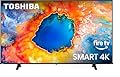

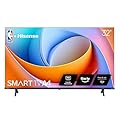
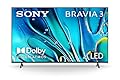

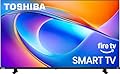
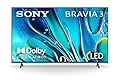
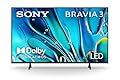
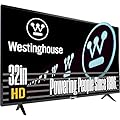
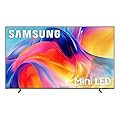

What Are LED TVs?
LED TVs are a type of LCD (Liquid Crystal Display) television that uses LED backlighting to illuminate the screen. Unlike traditional LCDs that rely on fluorescent tubes, LED TVs employ light-emitting diodes, which offer superior brightness, contrast, and energy efficiency. This technology allows for thinner panels, sharper images, and more vibrant colors, making LED TVs a popular choice for modern households.
How LED TVs Work
At their core, LED TVs function by passing light through a layer of liquid crystals to create images. The LED backlights, positioned either behind the screen (full-array) or along the edges (edge-lit), illuminate the liquid crystals, which then manipulate the light to produce colors and shapes. The precision of LED lighting results in better control over brightness and contrast, delivering a more dynamic picture compared to older LCD technologies.
Types of LED TVs
LED TVs come in various configurations, each with distinct advantages:
-
Edge-Lit LED TVs: These have LEDs placed along the edges of the screen. They are typically thinner and more affordable but may have less uniform brightness.
-
Full-Array LED TVs: With LEDs spread across the entire back panel, these offer better contrast and brightness uniformity, ideal for premium viewing experiences.
-
Mini-LED TVs: A newer advancement, mini-LEDs use smaller diodes for enhanced precision in backlighting, resulting in deeper blacks and brighter highlights.
-
QLED TVs: Quantum Dot LED TVs use a layer of quantum dots to enhance color accuracy and brightness, competing closely with OLED technology.
Each type caters to different preferences, from budget-conscious buyers to those seeking cutting-edge performance.
Key Features of LED TVs
LED TVs boast a range of features that enhance their appeal. Below are some of the standout characteristics that make them a preferred choice.
Superior Picture Quality
LED TVs deliver exceptional picture quality, thanks to advancements in backlighting and display technology. With support for high resolutions like 4K Ultra HD and even 8K, they provide crisp, detailed images. Features like High Dynamic Range (HDR) further enhance contrast and color, making scenes more lifelike. Whether you're watching a nature documentary or an action-packed blockbuster, LED TVs ensure every detail pops.
Energy Efficiency
One of the biggest advantages of LED TVs is their energy efficiency. Compared to older CRT or plasma TVs, LED models consume significantly less power. This not only reduces your electricity bill but also makes them an eco-friendly choice. Many modern LED TVs come with energy-saving modes, dimming the backlight when not needed to further optimize power usage.
Slim and Stylish Designs
LED TVs are known for their sleek, minimalist designs. The use of LED backlighting allows manufacturers to create ultra-thin panels that blend seamlessly into any living space. Whether mounted on a wall or placed on a stand, these TVs add a touch of elegance to your home decor. Their lightweight construction also makes installation and repositioning easier.
Smart TV Capabilities
Most LED TVs today are equipped with smart features, turning them into entertainment hubs. Built-in Wi-Fi and streaming apps like Netflix, YouTube, and Disney+ allow you to access content directly from the internet. Voice assistants like Alexa, Google Assistant, or Siri are often integrated, enabling hands-free control. Smart LED TVs also support screen mirroring and casting, making it easy to share content from your smartphone or tablet.
Wide Range of Sizes
LED TVs are available in a variety of sizes, from compact 32-inch models for small apartments to massive 85-inch screens for home theater setups. This versatility ensures there's an LED TV for every space and budget. Larger screens are particularly popular for immersive viewing, especially for sports and gaming.
Benefits of Choosing an LED TV
Investing in an LED TV comes with numerous advantages that cater to both casual viewers and tech enthusiasts.
Affordability
Compared to other premium technologies like OLED, LED TVs are generally more affordable, offering excellent value for money. You can find high-quality LED TVs with advanced features at various price points, making them accessible to a wide audience.
Longevity and Durability
LED TVs are built to last. With no burn-in issues (unlike OLEDs), they are ideal for prolonged use, such as gaming or displaying static images like news tickers. Their robust construction ensures they can withstand years of regular use without significant degradation in performance.
Versatility for Different Uses
Whether you're binge-watching a series, playing video games, or hosting a movie night, LED TVs adapt to various scenarios. Their fast response times and low input lag make them excellent for gaming, while their vibrant colors and wide viewing angles ensure everyone in the room enjoys a great picture.
Wide Availability
LED TVs are produced by nearly every major electronics brand, including Samsung, LG, Sony, TCL, and Hisense. This competition drives innovation and keeps prices competitive, giving consumers plenty of options to choose from.
LED TVs vs. Other Technologies
To understand why LED TVs remain a top choice, it’s worth comparing them to other display technologies.
LED vs. OLED
OLED TVs use organic compounds that emit light when an electric current is applied, eliminating the need for a backlight. This results in perfect blacks and infinite contrast ratios, as each pixel can turn off completely. However, OLEDs are more expensive and susceptible to burn-in. LED TVs, while not matching OLED’s black levels, offer brighter images and better value for money, making them a practical choice for most households.
LED vs. QLED
QLED, a subset of LED technology, uses quantum dots to enhance color and brightness. QLED TVs often outperform standard LED TVs in terms of color accuracy and vibrancy, but they come at a higher price. For buyers seeking a balance between performance and cost, standard LED TVs remain a strong contender.
LED vs. Plasma
Plasma TVs, now largely obsolete, were known for their deep blacks and wide viewing angles. However, they consumed more power and were bulkier than LED TVs. LEDs have surpassed plasmas in nearly every aspect, offering better efficiency, thinner designs, and comparable or superior picture quality.
Choosing the Right LED TV
Selecting the perfect LED TV involves considering several factors to match your needs and preferences.
Screen Size and Room Fit
The size of your LED TV should align with your viewing distance and room size. A general rule is to multiply the viewing distance (in inches) by 0.6 to 0.8 to determine the ideal screen size. For example, if you sit 6 feet (72 inches) from the TV, a 43- to 58-inch screen is ideal. Larger screens are better for spacious rooms, while smaller ones suit bedrooms or compact spaces.
Resolution
Resolution determines the clarity of the image. Most modern LED TVs offer 4K resolution (3840x2160 pixels), which is four times sharper than Full HD (1080p). For larger screens or close viewing distances, 4K is a must. Some high-end models offer 8K resolution, though content availability for 8K is still limited.
Refresh Rate
The refresh rate, measured in Hertz (Hz), indicates how many times per second the screen updates. A 60Hz refresh rate is standard for most content, but 120Hz or higher is ideal for fast-paced action, sports, or gaming. Some LED TVs use motion interpolation to smooth out motion, enhancing the viewing experience.
Connectivity Options
Ensure the TV has enough HDMI and USB ports for your devices, such as gaming consoles, soundbars, or streaming sticks. Look for HDMI 2.1 ports if you plan to use next-gen consoles or want features like Variable Refresh Rate (VRR) and Auto Low Latency Mode (ALLM).
Smart Features and Operating System
The operating system (OS) determines the TV’s user interface and app ecosystem. Popular platforms include:
-
Tizen (Samsung): Known for its intuitive interface and wide app support.
-
webOS (LG): Offers a smooth, user-friendly experience with voice control.
-
Android TV/Google TV: Provides access to the Google Play Store and Google Assistant.
-
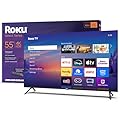
Roku OS: Simple and reliable, with a focus on streaming.
Choose a platform that aligns with your preferred apps and ecosystem (e.g., Apple, Google, or Amazon).
Audio Quality
While LED TVs excel in visuals, their built-in speakers are often underwhelming. Consider models with enhanced audio technologies like Dolby Atmos or invest in a soundbar or home theater system for a more immersive sound experience.
Top Brands and Models
Several brands dominate the LED TV market, each offering unique strengths:
-
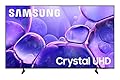
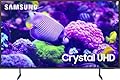
Samsung: Known for QLED technology and vibrant displays, Samsung’s Crystal UHD and Neo QLED series are top performers.
-
LG: Offers a range of LED TVs with excellent smart features and HDR performance.
-
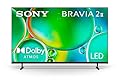
Sony: Renowned for superior image processing and color accuracy, especially in the Bravia lineup.
-
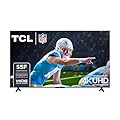
TCL and Hisense: Budget-friendly options with impressive features like 4K, HDR, and Roku or Android TV integration.
Popular models include the Samsung QN90B (Neo QLED), LG C2 (though OLED, their LED models are also strong), and TCL 6-Series, which offers great value.
Installation and Setup Tips
To get the most out of your LED TV, proper setup is crucial:
-
Placement: Position the TV at eye level for the best viewing angle. Avoid direct sunlight to prevent glare.
-
Wall Mounting vs. Stand: Wall-mounted TVs save space and offer a clean look, while stands are easier to set up and move.
-
Calibration: Adjust picture settings (brightness, contrast, color) to suit your room’s lighting. Many TVs offer preset modes like “Movie” or “Game” for optimal performance.
-
Cable Management: Use cable organizers to keep wires tidy and maintain a sleek appearance.