
QLED TVs
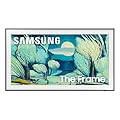
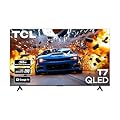
Shop QLED TVs with exceptional brightness, vivid color, and smart technology. Discover top brands like Samsung and TCL in stunning 4K and 8K resolutions—perfect for movies, sports, and gaming.
What is QLED Technology?
The Science Behind Quantum Dots
At the heart of QLED TVs lies quantum dot technology. Quantum dots are nanoscale particles that emit or alter light when stimulated by an energy source, such as a backlight. These particles are incredibly small—measured in nanometers—and their size determines the color of light they produce. By precisely controlling the size of quantum dots, manufacturers can tune the display to emit specific wavelengths of red, green, and blue light, resulting in highly accurate and vibrant colors.
Unlike traditional LED TVs, which rely on a white backlight filtered through color layers, QLED TVs use quantum dots to enhance color purity and brightness. This results in a wider color gamut, meaning QLED TVs can display a broader range of colors with greater precision, closely mimicking what the human eye sees in real life.
How QLED Differs from Other Technologies
QLED TVs are often compared to OLED (Organic Light Emitting Diode) TVs, but the two technologies differ significantly. While OLED panels emit light directly from each pixel, QLED TVs use a backlight system enhanced by quantum dots. This distinction gives QLED TVs an edge in brightness, making them ideal for well-lit rooms, while OLED excels in delivering perfect blacks and contrast in darker environments.
Compared to standard LED TVs, QLED offers superior color accuracy and brightness, thanks to the quantum dot layer. This makes QLED a premium choice for viewers who prioritize vivid visuals and dynamic range over budget-friendly LED options.
Key Features of QLED TVs
Unmatched Color Accuracy and Volume
One of the standout features of QLED TVs is their ability to deliver exceptional color accuracy. Quantum dots enable these TVs to achieve up to 100% of the DCI-P3 color gamut, a standard used in the film industry for vibrant, lifelike colors. Whether you’re watching a nature documentary with lush green forests or a sci-fi blockbuster with neon-lit cityscapes, QLED TVs bring every hue to life with stunning clarity.
Color volume is another critical factor. Unlike other displays that lose color intensity at higher brightness levels, QLED TVs maintain vibrant colors even when cranked to maximum brightness. This makes them perfect for HDR (High Dynamic Range) content, where bright highlights and deep shadows coexist in the same frame.
Superior Brightness for Any Environment
QLED TVs are renowned for their high brightness levels, often exceeding 1000 nits and, in some models, reaching up to 2000 nits or more. This makes them an excellent choice for living rooms with large windows or spaces with ambient lighting, as they can combat glare and maintain picture quality in bright conditions. Whether it’s a sunny afternoon sports match or a late-night movie marathon, QLED TVs ensure crisp, clear visuals.
HDR Performance
High Dynamic Range (HDR) is a cornerstone of modern TV viewing, and QLED TVs excel in this area. They support multiple HDR formats, including HDR10, HDR10+, and HLG (Hybrid Log-Gamma), delivering enhanced contrast, brighter highlights, and more detailed shadows. HDR10+ takes this further by dynamically adjusting brightness and contrast scene by scene, ensuring every moment looks as the director intended. This makes QLED TVs a favorite for streaming platforms like Netflix, Disney+, and Amazon Prime Video, where HDR content is increasingly common.
Wide Viewing Angles
Early LED TVs struggled with color and contrast degradation when viewed from off-angles, but QLED TVs have largely overcome this limitation. Many modern QLED models incorporate advanced panel technologies, such as Samsung’s Ultra Viewing Angle, which ensures consistent colors and brightness even when viewed from the side. This makes QLED TVs ideal for group viewing, whether it’s a family movie night or a watch party with friends.
Longevity and Durability
Unlike OLED TVs, which can suffer from burn-in (permanent image retention) over time, QLED TVs are immune to this issue. Their inorganic quantum dot materials are highly durable, ensuring consistent performance over years of use. This longevity makes QLED TVs a smart investment for consumers who want a reliable, long-lasting display.
Benefits of Choosing a QLED TV
Versatility for All Content Types
QLED TVs are incredibly versatile, excelling across a wide range of content. For movie buffs, the vivid colors and HDR performance create a theater-like experience at home. Sports fans will appreciate the bright, clear visuals and fast response times that capture every moment of the action. Gamers benefit from low input lag, high refresh rates (up to 120Hz or 144Hz on premium models), and features like Variable Refresh Rate (VRR) and Auto Low Latency Mode (ALLM), which ensure smooth, responsive gameplay.
Energy Efficiency
While QLED TVs are brighter than many competitors, they are designed to be energy-efficient. Many models include eco-friendly features like ambient light sensors that adjust brightness based on room conditions, reducing power consumption without sacrificing picture quality. This balance of performance and efficiency appeals to environmentally conscious consumers.
Sleek Design and Aesthetics
QLED TVs are not just about performance—they’re also designed to look stunning in any home. With ultra-thin bezels, minimalist stands, and options for wall mounting, QLED TVs blend seamlessly into modern living spaces. Samsung’s Ambient Mode, for example, allows the TV to display artwork, photos, or subtle patterns when not in use, turning it into a decorative piece rather than a black rectangle.
Smart Features and Connectivity
Modern QLED TVs come equipped with robust smart platforms, such as Samsung’s Tizen OS, which offers a user-friendly interface and access to popular streaming apps like YouTube, Hulu, and Apple TV. Voice assistants like Bixby, Alexa, and Google Assistant are often built-in, allowing hands-free control. Additionally, QLED TVs support advanced connectivity options like HDMI 2.1, Wi-Fi 6, and Bluetooth, ensuring compatibility with next-gen gaming consoles, soundbars, and other devices.
QLED TVs for Different Use Cases
Home Theater Enthusiasts
For those building a dedicated home theater, QLED TVs offer a compelling package. Their ability to handle HDR content, combined with deep contrast and vibrant colors, makes them ideal for cinematic experiences. Pairing a QLED TV with a high-quality soundbar or surround sound system can replicate the immersion of a movie theater. Models like Samsung’s Neo QLED series, which combine quantum dots with Mini LED backlighting, push the boundaries of contrast and brightness, rivaling OLED in dark-room performance.
Gamers
Gaming on a QLED TV is a treat, thanks to features tailored for next-gen consoles like the PlayStation 5 and Xbox Series X. HDMI 2.1 ports support 4K gaming at 120Hz, while technologies like FreeSync and G-Sync reduce screen tearing and stuttering. Low input lag ensures that every button press translates instantly to the screen, giving competitive gamers an edge. QLED’s bright, colorful displays also enhance the visual fidelity of modern games, from open-world adventures to fast-paced shooters.
Casual Viewers and Families
For everyday viewing, QLED TVs offer a hassle-free experience with vibrant visuals and easy-to-use smart features. Their durability and resistance to burn-in make them ideal for households where the TV is on for hours, displaying everything from kids’ cartoons to news broadcasts. The wide viewing angles ensure everyone in the room gets a great view, making QLED TVs perfect for family gatherings or casual binge-watching sessions.
Bright Living Spaces
If your living room gets a lot of natural light, QLED TVs are a natural fit. Their high brightness levels ensure that colors remain vivid and details stay sharp, even in sunlit rooms. This makes them a better choice than OLED for spaces where controlling ambient light isn’t always possible.
Comparing QLED Models and Brands
While Samsung is the pioneer of QLED technology, other brands like TCL, Hisense, and Sony have introduced their own QLED models, each with unique strengths. Samsung’s QLED lineup, including the Q60, Q70, and flagship Neo QLED series, offers a range of options for different budgets and performance needs. TCL and Hisense focus on affordability, delivering impressive QLED performance at lower price points, while Sony’s QLED models emphasize premium picture processing for a refined viewing experience.
When choosing a QLED TV, consider factors like screen size (ranging from 43 inches to over 85 inches), resolution (4K is standard, with 8K options for cutting-edge adopters), and specific features like Mini LED backlighting or gaming optimizations. Higher-end models typically offer better contrast, more advanced HDR, and additional smart features, while mid-range options provide excellent value for casual users.