
OLED TVs
Experience stunning picture quality with OLED TVs—deep blacks, vibrant colors, and ultra-slim designs. Shop top brands and sizes for the ultimate in home entertainment.
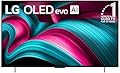
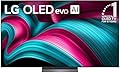


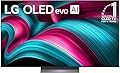
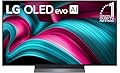


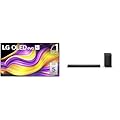
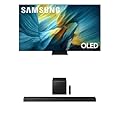
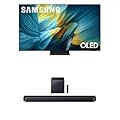
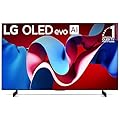
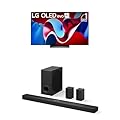


What is OLED Technology?
How OLED Works
OLED technology uses organic compounds that emit light when an electric current is applied. Each pixel in an OLED display is self-illuminating, meaning it can turn on or off independently. This eliminates the need for a backlight, which is a key differentiator from LED and LCD TVs. When a pixel is turned off, it produces true black, as no light is emitted, resulting in exceptional contrast and depth in images.
Types of OLED Displays
While OLED TVs primarily use WOLED (White OLED) panels, developed by companies like LG Display, there are variations such as QD-OLED (Quantum Dot OLED), pioneered by Samsung. QD-OLED combines OLED’s self-emissive pixels with quantum dot technology to enhance color accuracy and brightness. Both types deliver outstanding performance, but QD-OLED tends to excel in color vibrancy, while WOLED is known for its balance of contrast and brightness.
Key Features of OLED TVs
Unmatched Picture Quality
Perfect Blacks and Infinite Contrast
One of the standout features of OLED TVs is their ability to produce perfect blacks. Since each pixel can turn off completely, dark scenes in movies or games appear truly black, not grayish, as seen in LED TVs with backlighting. This results in an infinite contrast ratio, making details in shadows and highlights pop with remarkable clarity.
Vibrant Colors and Wide Color Gamut
OLED TVs support a wide color gamut, often covering over 99% of the DCI-P3 color space. This means they can display a broader range of colors with greater accuracy, bringing cinematic visuals to life. Whether you’re watching a lush forest scene or a vibrant animated film, colors are rich, lifelike, and true to the director’s vision.
Wide Viewing Angles
Unlike LED TVs, which can lose color accuracy and brightness when viewed from an angle, OLED TVs maintain consistent picture quality regardless of where you sit. This makes them ideal for large living rooms or group viewing sessions, ensuring everyone enjoys the same stunning visuals.
Fast Response Times
OLED TVs have near-instantaneous pixel response times, often less than 0.1 milliseconds. This makes them perfect for fast-paced content like action movies, sports, or gaming, where motion blur can detract from the experience. The smooth, crisp motion handling ensures every frame is rendered with precision.
Thin and Flexible Designs
Without the need for a backlight, OLED panels are incredibly thin, often measuring just a few millimeters. This allows manufacturers to create sleek, minimalist designs that blend seamlessly into any living space. Some OLED TVs even feature flexible or rollable displays, pushing the boundaries of TV aesthetics and functionality.
Benefits of Choosing an OLED TV
Superior Cinematic Experience
For movie buffs, OLED TVs are a dream come true. Their ability to reproduce deep blacks and vibrant colors makes them ideal for watching films in HDR (High Dynamic Range) formats like Dolby Vision or HDR10+. Scenes with high contrast, such as starry night skies or explosions, are rendered with stunning realism, immersing you in the story.
Ideal for Gaming
Gamers will appreciate OLED TVs for their low input lag, fast response times, and support for features like Variable Refresh Rate (VRR) and Auto Low Latency Mode (ALLM). Many OLED models are compatible with next-gen consoles like the PlayStation 5 and Xbox Series X, offering 4K gaming at 120Hz for buttery-smooth gameplay.
Energy Efficiency
While OLED TVs are premium products, they can be more energy-efficient than traditional LED TVs. Since pixels only consume power when lit, dark scenes use less energy. This can lead to lower electricity bills over time, especially for users who watch a lot of content with darker visuals.
Versatility in Room Lighting
OLED TVs perform well in various lighting conditions. Their high contrast and lack of backlight bleed make them excellent for dark rooms, while advancements like QD-OLED and anti-reflective coatings ensure vibrant visuals even in brighter environments. This versatility makes OLED TVs suitable for any home setup.
Popular Brands and Models
LG OLED TVs
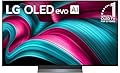
LG is a pioneer in OLED technology, offering a wide range of models like the LG C4, G4, and Z4 series. The LG C4, for instance, is a mid-range option with excellent picture quality, gaming features, and the intuitive webOS platform. The G4 series, aimed at premium buyers, includes advanced brightness-boosting technologies like Micro Lens Array (MLA) for even better performance.
Sony OLED TVs
Sony’s OLED lineup, such as the A95K and A80K, combines OLED panels with Sony’s renowned image processing. The A95K, a QD-OLED model, delivers exceptional color accuracy and brightness, while the A80K is a more affordable option with superb motion handling and upscaling for non-4K content.
Samsung QD-OLED TVs
Samsung’s QD-OLED TVs, like the S95D and S90D, push the boundaries of brightness and color performance. These models are particularly appealing for users who want vibrant visuals in well-lit rooms, making them a strong competitor to LG and Sony’s offerings.
Other Notable Brands
Panasonic and Philips also offer OLED TVs, particularly in markets like Europe and Asia. Panasonic’s MZ2000 series is praised for its professional-grade color accuracy, while Philips’ OLED models often include unique features like Ambilight, which projects colored light behind the TV to enhance immersion.
Considerations When Buying an OLED TV
Price
OLED TVs are premium products, with prices typically higher than LED or QLED models. Entry-level 55-inch OLEDs start around $1,200, while larger sizes or high-end models can exceed $3,000. However, prices have become more competitive as OLED production scales, making them more accessible than in previous years.
Burn-In Risk
One potential drawback of OLED TVs is the risk of burn-in, where static images displayed for extended periods can leave a faint imprint on the screen. Modern OLEDs mitigate this with features like pixel shifting and screen savers, but heavy users (e.g., those watching news channels with static tickers) should take precautions like varying content and using auto-brightness settings.
Brightness Limitations
While OLED TVs excel in contrast, they are generally less bright than high-end LED or QLED TVs, which use powerful backlights. This can be a consideration in very bright rooms, though advancements like QD-OLED and MLA technology have significantly improved peak brightness in newer models.
Size Availability
OLED TVs are available in sizes ranging from 42 inches to 97 inches, but smaller sizes (below 55 inches) are less common and often more expensive per inch than larger models. If you need a compact TV, you may have fewer OLED options compared to LED alternatives.
OLED TVs in Different Settings
Home Theater Setups
For dedicated home theater enthusiasts, OLED TVs are the gold standard. Pairing an OLED with a surround sound system and HDR content creates a cinema-like experience. Models with Dolby Vision and Atmos support enhance this further, delivering immersive audio-visual performance.
Living Room Use
In multi-purpose living rooms, OLED TVs shine due to their wide viewing angles and sleek designs. They blend into modern interiors while providing excellent performance for casual viewing, gaming, or streaming. Wall-mounting an OLED can create a clean, gallery-like aesthetic.
Gaming Rooms
OLED TVs are a favorite among gamers, thanks to their low latency and support for high refresh rates. Setting up an OLED in a gaming room with ambient lighting control can maximize its visual impact, especially for genres like action, racing, or RPGs.
Future of OLED TVs
Advancements in Brightness
Manufacturers are continually improving OLED brightness to compete with LED and QLED TVs. Technologies like Micro Lens Array and QD-OLED are pushing the boundaries, making OLEDs viable for brighter environments without sacrificing contrast.
Flexible and Transparent OLEDs
The future of OLED includes innovative designs like rollable or transparent displays. LG’s rollable OLED, for example, can retract into a compact base when not in use, offering a space-saving solution. Transparent OLEDs, while still in early stages, could revolutionize retail displays or futuristic home setups.
Sustainability Efforts
OLED production is becoming more sustainable, with manufacturers exploring eco-friendly materials and energy-efficient designs. As demand grows, expect more focus on recyclable components and lower environmental impact.
How to Choose the Right OLED TV
Assess Your Needs
Consider your primary use case—movies, gaming, or general viewing—and choose a model with features tailored to those needs. For example, gamers should prioritize low input lag and VRR, while cinephiles may focus on HDR support and color accuracy.
Room Size and Viewing Distance
Select a screen size based on your room dimensions and viewing distance. A 55-inch or 65-inch OLED is ideal for most living rooms, while larger 77-inch or 83-inch models suit spacious home theaters. A general rule is to sit 1 to 1.5 times the screen’s diagonal size away for 4K TVs.
Budget Considerations
Set a budget and compare models within that range. Mid-range OLEDs like the LG C4 or Sony A80K offer excellent value, while premium options like the LG G4 or Samsung S95D provide cutting-edge features for a higher price.
Smart Features and Connectivity
Most OLED TVs come with smart platforms like LG’s webOS, Samsung’s Tizen, or Sony’s Google TV. Ensure the TV has the streaming apps you use (e.g., Netflix, Disney+) and sufficient HDMI 2.1 ports for gaming consoles or soundbars.
Maintenance and Care for OLED TVs
Preventing Burn-In
To minimize burn-in risk, avoid static content for prolonged periods, use screen savers, and enable auto-brightness settings. Many OLED TVs have built-in pixel refreshers that run during downtime to maintain panel health.
Cleaning the Screen
Use a soft, dry microfiber cloth to clean the screen, avoiding harsh chemicals or abrasive materials. For stubborn smudges, lightly dampen the cloth with water or a screen-safe cleaner.
Optimal Placement
Place your OLED TV away from direct sunlight to reduce glare and protect the panel. If wall-mounting, ensure proper ventilation to prevent overheating, as OLEDs can generate heat during extended use.