
RV TVs
Shop RV TVs built for life on the road—compact, vibration-resistant, and energy-efficient. Enjoy smart features, HD resolution, and easy mounting options for your camper or motor home.
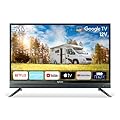





What Are RV TVs?
RV TVs are televisions specifically engineered for use in recreational vehicles. Unlike standard home TVs, these units are built to withstand the unique challenges of RV life, such as vibrations from travel, limited space, and fluctuating power sources. They are compact, energy-efficient, and often come with features tailored to the mobile environment, ensuring you can enjoy movies, shows, or sports no matter where your journey takes you.
Why Choose an RV TV Over a Standard TV?
While it might be tempting to install a regular TV in your RV, doing so can lead to issues like damage from road vibrations, excessive power consumption, or poor performance in confined spaces. RV TVs are designed with these factors in mind, offering:
-
Durability: Built to handle the bumps and jostles of travel.
-
Energy Efficiency: Optimized for low power consumption, crucial for off-grid camping.
-
Compact Design: Sized to fit snugly in RV interiors without wasting space.
-
Versatile Power Options: Compatible with 12V DC or 120V AC power sources, common in RVs.
-
Enhanced Mounting Options: Designed for secure installation in tight spaces.
Whether you're parked at a scenic campground or boondocking in the wilderness, an RV TV ensures you stay entertained without compromising on practicality.
Key Features of RV TVs
When shopping for an RV TV, understanding the key features can help you make an informed decision. Here’s a breakdown of what to look for:
1. Size and Space Considerations
RV TVs typically range from 19 to 32 inches, though some models go as large as 40 inches for bigger rigs. The right size depends on your RV’s layout and available space. Smaller TVs are ideal for compact campers or pop-up trailers, while larger models suit Class A motorhomes with more spacious interiors.
-
Tip: Measure the designated space in your RV before purchasing. Ensure there’s enough clearance for mounting brackets and ventilation to prevent overheating.
2. Power Compatibility
RVs often operate on a combination of 12V DC (battery power) and 120V AC (shore power or generator). Many RV TVs are designed to work with both, offering flexibility for different camping scenarios. Some models even include built-in inverters to seamlessly switch between power sources.
-
Why It Matters: Energy-efficient TVs reduce strain on your RV’s battery, allowing longer off-grid use without draining power reserves.
3. Durability and Vibration Resistance
Traveling on uneven roads can take a toll on electronics. RV TVs are constructed with reinforced components and sturdy frames to withstand vibrations and shocks. Look for models with vibration-resistant certifications or rugged designs to ensure longevity.
4. Mounting Options
Space is at a premium in an RV, so mounting solutions are critical. RV TVs often come with versatile mounting brackets or VESA-compatible designs for wall or ceiling installation. Some models include quick-release mounts for easy removal and storage when not in use.
-
Pro Tip: Consider a swivel or tilt mount to adjust the viewing angle, especially in multi-purpose spaces like an RV living area.
5. Smart TV Capabilities
Modern RV TVs increasingly offer smart features, allowing you to stream content from platforms like Netflix, Hulu, or YouTube. These TVs come with built-in Wi-Fi and pre-installed apps, making it easy to stay connected at campgrounds with reliable internet.
-
Note: For remote camping, consider downloading content in advance or pairing your TV with a mobile hotspot for streaming.
6. Sound Quality
While RV TVs prioritize compact design, many still deliver decent audio through built-in speakers. For a more immersive experience, look for models with enhanced audio features or consider adding a compact soundbar that fits your RV’s layout.
7. Weather Resistance
If you plan to use your TV outside under an RV awning, look for models with weather-resistant features. While fully waterproof TVs are rare, some offer partial resistance to humidity or light splashes, ideal for outdoor movie nights.
Benefits of RV TVs for Travelers
Investing in an RV TV offers numerous advantages that enhance your travel experience:
-
Entertainment Anywhere: From binge-watching your favorite series to catching live sports, an RV TV keeps you entertained no matter where you are.
-
Family-Friendly Fun: Keep kids occupied during long drives or rainy days with movies or gaming consoles connected to the TV.
-
Compact Convenience: Designed to fit small spaces, RV TVs maximize comfort without cluttering your rig.
-
Versatility: Use your TV for entertainment, gaming, or even as a monitor for remote work.
-
Energy Savings: Low-power designs help preserve battery life, especially when boondocking.
Types of RV TVs
RV TVs come in various types to suit different needs and preferences. Here’s a look at the most common options:
LED TVs
LED TVs are the most popular choice for RVs due to their slim design, energy efficiency, and vibrant picture quality. They use LED backlighting to produce bright, clear images while consuming minimal power.
-
Best For: Campers who want a balance of quality and efficiency.
-
Pros: Lightweight, energy-efficient, and widely available.
-
Cons: May lack the contrast of OLED models.
OLED TVs
OLED TVs offer superior picture quality with deeper blacks and richer colors, thanks to their self-lighting pixels. While more expensive, they’re ideal for RV campers who prioritize visual excellence.
-
Best For: Luxury RV travelers seeking a premium viewing experience.
-
Pros: Exceptional image quality, wide viewing angles.
-
Cons: Higher cost, slightly less durable in extreme conditions.
Smart TVs
Smart TVs integrate streaming services and apps directly into the unit, eliminating the need for external devices like a Roku or Fire Stick. They’re perfect for tech-savvy travelers with access to Wi-Fi.
-
Best For: Streamers who want all-in-one convenience.
-
Pros: Built-in apps, easy navigation.
-
Cons: May require a stable internet connection.
12V TVs
Designed specifically for RV camping, 12V TVs run directly off your RV’s battery, making them ideal for off-grid adventures. They’re highly energy-efficient and often include DC power cords.
-
Best For: Boondockers or campers without consistent shore power.
-
Pros: Low power consumption, direct battery compatibility.
-
Cons: Limited size options.
Choosing the Right RV TV
Selecting the perfect RV TV involves balancing your needs, budget, and RV setup. Here are key factors to consider:
1. Screen Size
Choose a screen size that fits your RV’s interior without overwhelming the space. Common sizes include:
-
19-24 inches: Perfect for small campers or tight spaces.
-
24-32 inches: Ideal for mid-sized RVs with dedicated entertainment areas.
-
32-40 inches: Best for larger motorhomes with ample room.
2. Power Requirements
Check the TV’s power consumption and compatibility with your RV’s electrical system. Look for models with low wattage (under 50W) for battery-powered setups.
3. Resolution
Most RV TVs offer 720p or 1080p resolution, which is sufficient for smaller screens. For larger models or premium viewing, consider 4K options, though these are less common in RV-specific designs.
4. Connectivity
Ensure the TV has enough ports (HDMI, USB, etc.) to connect devices like gaming consoles, Blu-ray players, or soundbars. Smart TVs should also have reliable Wi-Fi for streaming.
5. Budget
RV TVs range from $100 to $500+, depending on size, features, and brand. Set a budget and prioritize features like durability and power efficiency over unnecessary bells and whistles.
6. Brand Reliability
Trusted brands like Jensen, Furrion, and Insignia offer RV-specific TVs with proven durability. Research customer reviews to ensure the model you choose performs well in real-world RV conditions.
Installation Tips for RV TVs
Proper installation is key to maximizing your RV TV’s performance and safety. Follow these tips:
-
Secure Mounting: Use a lockable or quick-release mount to prevent the TV from shifting during travel. Ensure the mount is rated for the TV’s weight.
-
Ventilation: Leave space around the TV for airflow to prevent overheating, especially in enclosed cabinets.
-
Wiring Management: Bundle and secure power and HDMI cables to avoid clutter and tripping hazards.
-
Power Protection: Use a surge protector or voltage regulator to safeguard the TV from power fluctuations.
-
Test Before Travel: Test the TV’s functionality and mounting stability before hitting the road.
Enhancing Your RV TV Experience
To get the most out of your RV TV, consider these add-ons and accessories:
-
Soundbars: Compact soundbars boost audio quality without taking up much space.
-
Streaming Devices: If your TV isn’t smart-enabled, a Roku, Fire Stick, or Apple TV can add streaming capabilities.
-
Antennas: A digital antenna captures over-the-air channels for free TV in areas with good reception.
-
Portable Satellite Dishes: For remote camping, a satellite dish provides access to premium channels.
-
Gaming Consoles: Connect a compact console like a Nintendo Switch for gaming on the go.
Maintenance and Care for RV TVs
To keep your RV TV in top shape, follow these maintenance tips:
-
Clean Regularly: Use a microfiber cloth to clean the screen and prevent dust buildup.
-
Store Securely: When not in use, store the TV in a padded case or secure it to avoid damage during travel.
-
Check Connections: Periodically inspect power and HDMI cables for wear and tear.
-
Protect from Extremes: Avoid exposing the TV to extreme heat, cold, or humidity when not in use.