
Mini-LED TVs
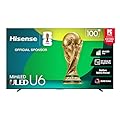
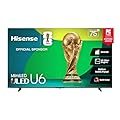
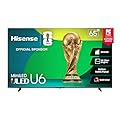
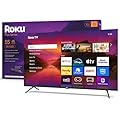
Shop Mini-LED TVs with cutting-edge backlight technology for superior brightness, deeper blacks, and stunning 4K clarity. Discover top brands and models built for premium viewing experiences.








What is Mini-LED Technology?
The Evolution of LED Displays
Mini-LED TVs are an advanced iteration of traditional LED-backlit LCD televisions. While standard LED TVs use a backlight composed of a few hundred LEDs to illuminate the screen, Mini-LED TVs employ thousands of much smaller LEDs—often less than 0.2mm in size. This allows for significantly more LEDs to be packed into the same space, resulting in finer control over lighting and improved picture quality.
Unlike OLED TVs, which use self-emissive pixels that emit their own light, Mini-LED TVs rely on a backlight to shine through an LCD panel. However, the smaller size of Mini-LEDs enables a higher density of dimming zones, which are groups of LEDs that can be independently controlled to adjust brightness and contrast. This local dimming technology is what sets Mini-LED TVs apart from their predecessors, offering a viewing experience that rivals OLED in many aspects while addressing some of its limitations.
How Mini-LED Works
Mini-LED TVs function by using a backlight panel made up of thousands of tiny LEDs arranged in clusters, or dimming zones. These zones can be turned on, off, or dimmed independently to align with the content displayed on the screen. For example, in a scene with a bright moon against a dark night sky, the LEDs illuminating the moon can shine at full brightness, while those in the darker areas can dim or turn off completely, creating deeper blacks and reducing light bleed (blooming).
Most Mini-LED TVs also incorporate Quantum Dot technology, often branded as QLED or Neo QLED by manufacturers like Samsung. Quantum Dots enhance color accuracy and brightness by absorbing blue light from the LEDs and re-emitting it as red or green light. This results in a wider color gamut and more vibrant visuals, making Mini-LED TVs ideal for high dynamic range (HDR) content.
Key Features of Mini-LED TVs
Exceptional Brightness
One of the standout features of Mini-LED TVs is their ability to achieve remarkable brightness levels, often exceeding 2,000–4,000 nits in premium models. This makes them particularly well-suited for bright environments, such as living rooms with large windows or spaces with significant ambient light. Unlike OLED TVs, which typically max out at around 1,000 nits, Mini-LED TVs can deliver intense highlights in HDR content, such as sunlight reflecting off water or explosions in action movies, without sacrificing detail.
Superior Contrast and Black Levels
Mini-LED TVs excel in delivering deep blacks and high contrast, thanks to their advanced local dimming capabilities. With thousands of dimming zones—some high-end models boast over 40,000 zones—Mini-LED TVs can produce blacks that approach the inky depths of OLED displays. While they may not achieve the pixel-level precision of OLED (where each pixel can turn off independently), the increased number of dimming zones significantly reduces blooming, where light from bright areas spills into darker ones.
Wide Color Gamut
The integration of Quantum Dot technology in most Mini-LED TVs allows them to display a broad spectrum of colors, often covering up to 97% of the BT.2020 color space. This results in rich, lifelike colors that enhance everything from animated films to nature documentaries. The combination of high brightness and wide color gamut ensures that Mini-LED TVs deliver a vibrant HDR experience, supporting formats like Dolby Vision, HDR10+, and HDR10.
Gaming Features
Mini-LED TVs are a favorite among gamers due to their robust feature sets tailored for modern consoles like the PlayStation 5 and Xbox Series X. Many models support HDMI 2.1, enabling 4K resolution at 120Hz or even 144Hz, Variable Refresh Rate (VRR), and Auto Low Latency Mode (ALLM). These features minimize input lag and screen tearing, ensuring smooth and responsive gameplay. Additionally, the high brightness and contrast make Mini-LED TVs ideal for fast-paced games with dynamic lighting.
Versatile Screen Sizes
Mini-LED TVs are available in a wide range of screen sizes, from compact 55-inch models to massive 98-inch or even 116-inch displays. This versatility makes them suitable for various settings, whether it’s a cozy apartment or a spacious home theater. Unlike OLED TVs, which can be prohibitively expensive at larger sizes, Mini-LED TVs offer a more cost-effective option for those seeking big-screen experiences.
Benefits of Mini-LED TVs
Enhanced Picture Quality
The primary advantage of Mini-LED TVs is their ability to deliver superior picture quality compared to traditional LED TVs. The increased number of dimming zones allows for more precise control over lighting, resulting in better contrast, deeper blacks, and brighter highlights. This makes Mini-LED TVs an excellent choice for watching movies, sports, and TV shows, particularly in HDR.
No Burn-In Risk
Unlike OLED TVs, which are susceptible to burn-in (where static images, like channel logos, permanently imprint on the screen), Mini-LED TVs use inorganic LEDs that are not prone to this issue. This makes them a safer choice for users who frequently watch content with static elements, such as news channels or video games with fixed HUDs.
Cost-Effectiveness
While Mini-LED TVs are a premium product, they are generally more affordable than OLED TVs, especially at larger screen sizes. Brands like TCL and Hisense have made Mini-LED technology accessible to budget-conscious consumers, offering models with impressive features at competitive prices. This balance of performance and value has contributed to the widespread adoption of Mini-LED TVs.
Durability and Energy Efficiency
Mini-LED TVs are designed to be durable, with LEDs that have a longer lifespan than the organic materials used in OLED displays. Additionally, advancements like RGB Mini-LED technology, which uses independent red, green, and blue LEDs, reduce energy consumption by eliminating the need for color conversion. This not only lowers power usage but also reduces blue light emissions, making for a more comfortable viewing experience.
Wide Viewing Angles (in Some Models)
While traditional LED TVs suffer from narrow viewing angles, some Mini-LED models, like the Sony BRAVIA 9, have improved in this area. Although they may not match the perfect viewing angles of OLED TVs, these advancements make Mini-LED TVs a viable option for group viewing, such as during movie nights or sports events.
Applications of Mini-LED TVs
Home Theater
Mini-LED TVs are a top choice for home theater enthusiasts due to their ability to deliver cinematic visuals. The combination of high brightness, deep blacks, and vibrant colors makes them ideal for watching movies in both bright and dark environments. Support for Dolby Atmos and DTS:X audio formats, along with built-in speakers in some models, further enhances the immersive experience.
Gaming
As mentioned earlier, Mini-LED TVs are well-suited for gaming, offering low input lag, high refresh rates, and support for advanced gaming features. Whether you’re playing fast-paced shooters or visually rich open-world games, Mini-LED TVs provide the responsiveness and visual fidelity needed for an engaging gaming experience.
Sports Viewing
The high brightness and excellent motion handling of Mini-LED TVs make them perfect for watching sports. Fast-moving action, such as soccer or car racing, is displayed with clarity and minimal motion blur. The ability to overcome glare in bright rooms ensures that viewers can enjoy the game without distractions, even during daytime events.
Everyday Entertainment
For casual viewers, Mini-LED TVs offer a versatile solution for streaming shows, browsing apps, or watching live TV. Smart platforms like Google TV, Roku, or proprietary systems from Samsung and LG provide seamless access to popular services like Netflix, Disney+, and YouTube, often with voice control integration for added convenience.
Comparing Mini-LED to Other TV Technologies
Mini-LED vs. OLED
Mini-LED and OLED TVs both deliver premium picture quality, but they cater to different needs. OLED TVs excel in pixel-level contrast and perfect blacks, as each pixel can turn off independently. They also offer superior viewing angles, making them ideal for group viewing. However, Mini-LED TVs surpass OLED in brightness, making them better for well-lit rooms, and they eliminate the risk of burn-in. Additionally, Mini-LED TVs are often more affordable, especially at larger sizes.
Mini-LED vs. QLED
QLED TVs, which also use Quantum Dot technology, rely on traditional LED backlights with fewer dimming zones than Mini-LED TVs. As a result, Mini-LED TVs offer better contrast and black levels, with less blooming. Many high-end QLED TVs, such as Samsung’s Neo QLED line, incorporate Mini-LED backlighting, blurring the line between the two categories.
Mini-LED vs. MicroLED
MicroLED is an emerging technology that uses self-emissive LEDs as pixels, similar to OLED, but without the burn-in risk. While MicroLED promises unmatched contrast and brightness, it remains prohibitively expensive and is currently limited to commercial applications or extremely large screen sizes. Mini-LED, on the other hand, is a more accessible technology that delivers comparable performance for consumer use.
Popular Mini-LED TV Models and Brands
Sony BRAVIA 9
Sony’s flagship Mini-LED TV, the BRAVIA 9, is renowned for its exceptional brightness (up to 4,000 nits) and top-tier image processing. It offers superb reflection handling, deep blacks, and vibrant colors, making it a standout choice for home theater enthusiasts. Its HDMI 2.1 support and gaming features also make it a versatile option.
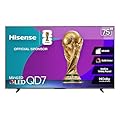
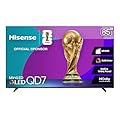
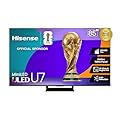
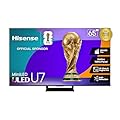
Hisense U8N
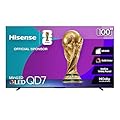
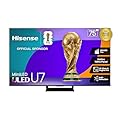
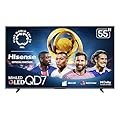
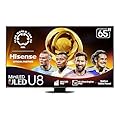
The Hisense U8N strikes an excellent balance between performance and value. With nearly 3,000 nits of brightness, refined local dimming, and support for Dolby Vision and HDR10+, it’s a top pick for those seeking a mid-range Mini-LED TV. Its gaming features, including 4K 144Hz and VRR, make it a favorite among gamers.
TCL C845K
TCL has been a pioneer in Mini-LED technology, and the C845K is a testament to its innovation. Available in 55- and 65-inch sizes, this model offers impressive brightness, excellent contrast, and a competitive price point, making it a great choice for budget-conscious buyers.
Samsung QN90D
Samsung’s Neo QLED line, including the QN90D, combines Mini-LED backlighting with Quantum Dot technology for stunning visuals. Its superb motion handling and high brightness make it ideal for sports viewing, while its sleek design adds aesthetic appeal.
Hisense 116UX
For those seeking the ultimate big-screen experience, the Hisense 116UX is a 116-inch Mini-LED TV with over 40,000 dimming zones and a peak brightness of 10,000 nits. While priced at a premium, it showcases the potential of RGB Mini-LED technology for unmatched color accuracy and contrast.
Considerations When Choosing a Mini-LED TV
Room Lighting
Mini-LED TVs are ideal for bright rooms due to their high peak brightness and excellent reflection handling. If you primarily watch TV in a dimly lit or dark room, an OLED TV might offer slightly better black levels, but Mini-LED models like the Sony BRAVIA 9 come very close.
Viewing Angle
While some Mini-LED TVs have improved viewing angles, they may still fall short of OLED for off-axis viewing. If you frequently watch TV with a large group, consider models with enhanced viewing angle technology or opt for an OLED TV.
Budget
Mini-LED TVs are available at various price points, from budget-friendly options like the Hisense U6N to premium models like the Sony BRAVIA 9. Determine your budget and prioritize features like brightness, dimming zones, and smart platform compatibility.
Intended Use
Consider how you’ll use the TV. Gamers should prioritize models with HDMI 2.1 and low input lag, while movie enthusiasts may focus on HDR performance and audio features. For general use, a mid-range Mini-LED TV offers a well-rounded experience.