
Replacement Power Cords
Replacement power cords are an indispensable solution for keeping your devices powered and operational. Whether you’re replacing a damaged cord, adapting to a new region’s outlets, or extending the reach of your equipment, choosing the right cord is crucial for safety and performance. From household appliances to industrial machinery, these cords ensure your devices stay connected to the power they need to function effectively.
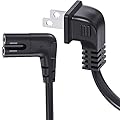
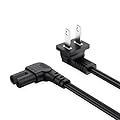
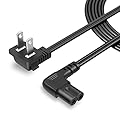
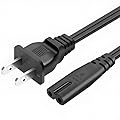
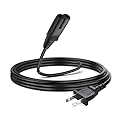


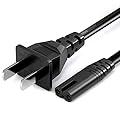
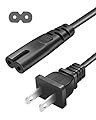
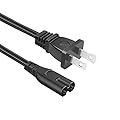
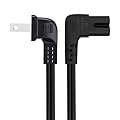
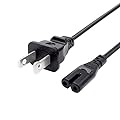
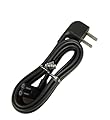


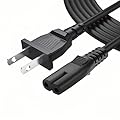
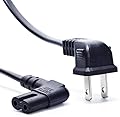
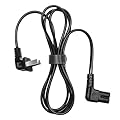
What Are Replacement Power Cords?
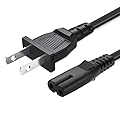
Replacement power cords are cables designed to connect electronic devices or appliances to a power source, typically replacing a damaged, lost, or incompatible original cord. These cords transmit electrical power from an outlet to the device, ensuring it operates correctly. Available in various lengths, connector types, and specifications, replacement power cords cater to a wide range of devices, from everyday household items like TVs and blenders to specialized equipment in medical or industrial settings.
Unlike generic cables, replacement power cords are often designed to meet the specific voltage, amperage, and connector requirements of the device they serve. Choosing the right cord ensures compatibility, safety, and optimal performance, making them an essential accessory for anyone dealing with electronics or appliances.
Why You Might Need a Replacement Power Cord
Power cords can wear out over time or become damaged due to regular use, improper handling, or accidents. Here are some common reasons you might need a replacement:
-
Physical Damage: Frayed, bent, or exposed wires can render a cord unsafe or unusable.
-
Lost or Missing Cords: Moving homes or misplacing a cord can leave you without a way to power your device.
-
Incompatibility: Upgrading devices or using equipment in a different country may require a cord with a different plug or voltage rating.
-
Wear and Tear: Repeated bending, twisting, or pulling can weaken the cord’s internal wiring, leading to unreliable performance.
-
Safety Concerns: Damaged cords pose risks like electrical shocks, short circuits, or fires, necessitating immediate replacement.
Investing in a high-quality replacement power cord restores functionality and ensures your device operates safely and efficiently.
Types of Replacement Power Cords
Replacement power cords come in a variety of types to suit different devices, environments, and power requirements. Understanding these types helps you choose the right cord for your needs.
1. Standard Power Cords
Standard power cords are the most common type, used for household appliances and electronics like computers, monitors, TVs, and gaming consoles. These cords typically feature a three-prong or two-prong plug that connects to a standard wall outlet and a device-specific connector, such as an IEC C13 or C7.
-
Common Uses: Desktop computers, printers, microwaves, and coffee makers.
-
Features: Available in various lengths (3 to 15 feet) and often rated for 120V or 250V.
2. Heavy-Duty Power Cords
Designed for high-power appliances or industrial equipment, heavy-duty power cords are built to handle higher voltages and amperages. These cords are thicker, more durable, and often feature reinforced insulation to withstand demanding environments.
-
Common Uses: Air conditioners, refrigerators, power tools, and industrial machinery.
-
Features: Higher gauge wires (e.g., 12 AWG or 10 AWG) and rugged construction for durability.
3. Extension Power Cords
Extension power cords combine a power cord with an extension cable, allowing you to connect devices to outlets that are farther away. These are ideal for temporary setups or situations where the original cord is too short.
-
Common Uses: Outdoor equipment, workshop tools, or home entertainment systems.
-
Features: Weather-resistant options for outdoor use and multiple outlet configurations.
4. International Power Cords
For devices used in different countries, international power cords feature plugs compatible with specific regional outlets, such as Type A (North America), Type C (Europe), or Type G (UK). These cords also account for varying voltage standards (e.g., 110V in the US vs. 220V in Europe).
-
Common Uses: Travel adapters, imported electronics, or global business equipment.
-
Features: Region-specific plugs and voltage compatibility.
5. Specialty Power Cords
Specialty power cords are designed for specific applications, such as medical equipment, data centers, or audio-visual systems. These cords often meet strict regulatory standards for safety and performance.
-
Common Uses: Hospital-grade equipment, server racks, or high-end audio systems.
-
Features: Certifications like UL, RoHS, or hospital-grade ratings for safety compliance.
Key Features to Look for in Replacement Power Cords
Selecting the right replacement power cord requires attention to several factors to ensure compatibility and safety. Here are the key features to consider:
1. Connector Type
Power cords come with various connector types to match the device’s input port. Common connectors include:
-
IEC C13/C14: Used for desktop computers, monitors, and servers.
-
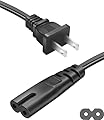
IEC C7/C8: Common for smaller electronics like radios or speakers.
-
NEMA 5-15: Standard for North American household appliances.
-
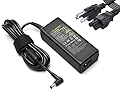
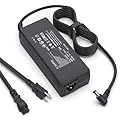
Proprietary Connectors: Some devices, like laptops or gaming consoles, require brand-specific connectors.
Always check your device’s manual or input port to confirm the correct connector type.
2. Voltage and Amperage Rating
Power cords are rated for specific voltage and amperage levels to match the device’s power requirements. Using a cord with the wrong rating can damage the device or cause safety hazards. For example:
-
A laptop might require a cord rated for 19V and 3.42A.
-
A heavy-duty appliance might need a cord rated for 250V and 15A.
Check the device’s label or manual for its power specifications before purchasing a replacement cord.
3. Cord Length
The length of the power cord affects convenience and usability. Common lengths range from 3 to 25 feet, with longer cords offering more flexibility but potentially causing voltage drop in high-power devices. Choose a length that suits your setup without excessive slack, which can create tripping hazards.
4. Wire Gauge (AWG)
The American Wire Gauge (AWG) rating indicates the thickness of the cord’s internal wires. Lower AWG numbers (e.g., 12 AWG) indicate thicker wires that can handle higher power loads, while higher numbers (e.g., 18 AWG) are suitable for low-power devices. For heavy-duty applications, opt for a lower AWG to ensure safety and performance.
5. Insulation and Durability
High-quality power cords feature durable insulation to protect against wear, heat, and environmental factors. Look for cords with:
-
Double Insulation: Provides extra protection against electrical shocks.
-
Weather Resistance: Essential for outdoor or industrial use.
-
Flexible Materials: Prevents cracking or fraying with frequent bending.
6. Safety Certifications
Reputable replacement power cords carry safety certifications like UL (Underwriters Laboratories), CE, or RoHS, ensuring they meet industry standards for performance and safety. Hospital-grade cords, for instance, undergo rigorous testing for use in medical environments.
Benefits of Using High-Quality Replacement Power Cords
Investing in a reliable replacement power cord offers several advantages:
-
Enhanced Safety: Certified cords reduce the risk of electrical hazards like shocks, short circuits, or fires.
-
Device Longevity: Properly rated cords prevent damage to your device’s internal components.
-
Cost Savings: Replacing a cord is often more affordable than repairing or replacing an entire device.
-
Versatility: With the right cord, you can use devices in different regions or extend their reach with longer cables.
-
Peace of Mind: High-quality cords ensure consistent performance, letting you focus on using your device without worry.
How to Choose the Right Replacement Power Cord
Finding the perfect replacement power cord can feel overwhelming given the variety of options. Follow these steps to make an informed decision:
-
Identify Your Device’s Requirements: Check the device’s manual, label, or input port for voltage, amperage, and connector type specifications.
-
Determine the Plug Type: Ensure the cord’s plug matches your region’s outlet standard (e.g., Type A for the US, Type G for the UK).
-
Choose the Right Length: Select a cord length that suits your setup without being excessively long.
-
Verify Safety Certifications: Look for UL, CE, or other certifications to ensure quality and safety.
-
Consider the Environment: For outdoor or industrial use, opt for weather-resistant or heavy-duty cords.
-
Check Brand Compatibility: Some devices, like laptops or gaming consoles, may require brand-specific cords for optimal performance.
If you’re unsure about compatibility, consult the device manufacturer or a professional to avoid purchasing the wrong cord.
Common Applications of Replacement Power Cords
Replacement power cords are used across a wide range of industries and settings. Here are some examples:
-
Home Use: Powering TVs, gaming consoles, microwaves, vacuum cleaners, and lamps.
-
Office Settings: Connecting computers, monitors, printers, and projectors.
-
Industrial Environments: Running heavy machinery, power tools, and HVAC systems.
-
Medical Facilities: Operating diagnostic machines, patient monitors, and other hospital-grade equipment.
-
Travel and Global Use: Adapting devices for international outlets and voltage standards.
No matter the application, having a reliable replacement power cord ensures your devices stay powered and operational.
Tips for Maintaining Your Replacement Power Cord
To maximize the lifespan and safety of your replacement power cord, follow these maintenance tips:
-
Avoid Overbending: Don’t wrap the cord tightly around devices, as this can damage internal wires.
-
Store Properly: Coil the cord loosely when not in use to prevent kinks or fraying.
-
Inspect Regularly: Check for signs of wear, such as frayed insulation or exposed wires, and replace damaged cords immediately.
-
Keep Dry: Unless the cord is weather-resistant, avoid exposing it to moisture to prevent electrical hazards.
-
Unplug Safely: Pull the plug, not the cord, when disconnecting to avoid straining the wires.
Where to Buy Replacement Power Cords
Replacement power cords are widely available from various sources, including:
-
Online Retailers: Websites like Amazon, eBay, or specialized electronics stores offer a vast selection of cords for different devices.
-
Manufacturer Websites: Many brands sell replacement cords designed specifically for their devices.
-
Electronics Stores: Retailers like Best Buy or Micro Center stock cords for common devices.
-
Specialty Suppliers: Companies specializing in cables and connectors often provide custom or hard-to-find cords.
When purchasing, compare prices, read reviews, and verify the cord’s specifications to ensure compatibility with your device.
Safety Precautions When Using Replacement Power Cords
Using a replacement power cord incorrectly can lead to safety hazards. Keep these precautions in mind:
-
Match Specifications: Always use a cord that matches your device’s voltage, amperage, and connector type.
-
Avoid Overloading: Don’t plug a low-rated cord into a high-power device, as it can overheat or cause a fire.
-
Check for Damage: Inspect the cord before use and replace it if you notice any signs of wear.
-
Use Certified Products: Stick to cords with recognized safety certifications to minimize risks.
-
Consult Professionals: For complex or high-power equipment, consult an electrician or technician to ensure proper installation.