
Soundbars
Enhance your TV audio with powerful, space-saving soundbars. Shop Bluetooth, Dolby Atmos, and wireless models with built-in subwoofers for immersive sound and modern design.
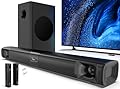



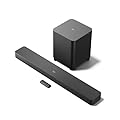
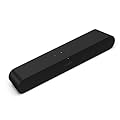

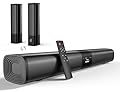
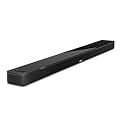

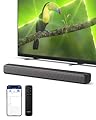


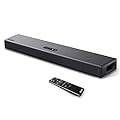
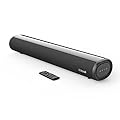
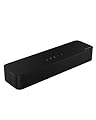

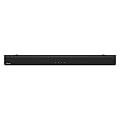
What is a Soundbar?
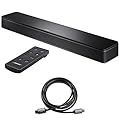
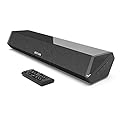
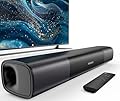
A soundbar is a slim, elongated speaker system designed to deliver high-quality audio for TVs, gaming consoles, or music playback. Unlike traditional multi-speaker setups, a soundbar consolidates multiple audio channels into a single device, typically placed below or in front of a television. Soundbars are engineered to produce rich, clear sound, often simulating surround sound effects, making them an ideal choice for those seeking an upgrade from built-in TV speakers without the clutter of a full home theater system.
Soundbars come in various sizes, designs, and feature sets, catering to different budgets and preferences. From entry-level models for small apartments to premium systems with advanced technologies like Dolby Atmos, there’s a soundbar for every home and lifestyle.
Why Choose a Soundbar?
Enhanced Audio Quality
Built-in TV speakers are often underwhelming, producing flat or distorted sound that fails to capture the depth of movies, music, or games. Soundbars address this by offering superior audio fidelity, with dedicated drivers for bass, midrange, and treble. Many models include built-in subwoofers or support external ones, ensuring deep, resonant bass that brings action scenes and music to life.
Space-Saving Design
One of the standout benefits of soundbars is their compact footprint. Unlike traditional surround sound systems that require multiple speakers and extensive wiring, soundbars are designed to fit seamlessly into any living space. Their sleek, minimalist designs complement modern TVs, and many can be wall-mounted or placed discreetly on a TV stand.
Easy Setup and Use
Soundbars are engineered for simplicity. Most models connect to your TV or device via a single HDMI, optical, or Bluetooth connection, eliminating the need for complicated setups. Many also come with remote controls, smartphone apps, or voice assistant integration, making them user-friendly for all ages.
Versatility
Soundbars aren’t just for TVs. Many models support Bluetooth or Wi-Fi streaming, allowing you to play music directly from your smartphone, tablet, or computer. Some even double as smart speakers, integrating with platforms like Amazon Alexa, Google Assistant, or Apple Siri for hands-free control and smart home connectivity.
Key Features to Look for in a Soundbar
When shopping for a soundbar, it’s essential to consider the features that align with your needs and preferences. Here are some key factors to keep in mind:
Audio Technologies
Modern soundbars are packed with advanced audio technologies to deliver immersive sound. Dolby Atmos and DTS:X are two of the most popular, creating a three-dimensional audio experience that makes sound feel like it’s coming from all directions, including above. Other technologies, like virtual surround sound, enhance the sense of space and depth, even in smaller rooms.
Connectivity Options
Soundbars offer a range of connectivity options to suit different setups. HDMI ARC (Audio Return Channel) is a common feature, allowing seamless audio transmission between your TV and soundbar. Bluetooth and Wi-Fi enable wireless streaming, while USB ports or auxiliary inputs provide additional flexibility for connecting devices.
Subwoofers
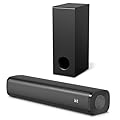
For those who crave powerful bass, a subwoofer is a game-changer. Some soundbars include built-in subwoofers, while others come with separate wireless subwoofers for deeper, more impactful low frequencies. If bass is a priority, consider a soundbar with a dedicated subwoofer or the option to add one later.
Channels and Configurations
Soundbars are often described by their channel configuration, such as 2.1, 5.1, or 7.1.2. The first number indicates the number of main audio channels, while the second refers to the subwoofer (e.g., “.1” for one subwoofer). Higher configurations, like 7.1.2, include additional channels for surround sound and height effects, ideal for immersive experiences like Dolby Atmos.
Smart Features
Many soundbars now integrate with smart home ecosystems, offering voice control, app-based customization, and compatibility with streaming services like Spotify, Apple Music, or Tidal. Some even support multi-room audio, allowing you to sync multiple speakers throughout your home for a cohesive listening experience.
Design and Build
A soundbar’s design can impact both its aesthetics and performance. Look for models that match your TV’s size and style, with durable materials and a low-profile build for easy placement. Some soundbars also offer customizable fabric covers or finishes to blend with your decor.
Types of Soundbars
Soundbars come in various types, each suited to different needs and budgets. Understanding the options can help you choose the right one for your home.
Entry-Level Soundbars
Entry-level soundbars are affordable, compact, and ideal for small spaces or casual users. These models typically offer 2.0 or 2.1 channel configurations, delivering a noticeable upgrade over TV speakers. They’re perfect for apartments, dorm rooms, or secondary TVs, with simple connectivity like Bluetooth or HDMI.
Mid-Range Soundbars
Mid-range soundbars strike a balance between price and performance, often including features like virtual surround sound, wireless subwoofers, and multi-device connectivity. These models are great for most living rooms, providing robust audio for movies, gaming, and music without breaking the bank.
Premium Soundbars
Premium soundbars are designed for audiophiles and home theater enthusiasts. They boast advanced technologies like Dolby Atmos, DTS:X, and high-resolution audio support, along with multiple channels and powerful subwoofers. These models often include smart features, premium materials, and sleek designs to complement high-end TVs.
Soundbar Systems with Rear Speakers
For a true surround sound experience, some soundbars come with detachable or wireless rear speakers. These systems mimic the immersive audio of a traditional home theater setup, ideal for larger rooms or dedicated entertainment spaces.
Benefits of Adding a Soundbar to Your Home
Immersive Entertainment
A soundbar can transform your viewing experience, whether you’re watching blockbuster movies, binge-watching series, or playing video games. The enhanced audio clarity and depth make every moment more engaging, from whispered dialogue to explosive action sequences.
Clutter-Free Setup
Unlike traditional home theater systems, soundbars eliminate the need for bulky speakers and tangled wires. Their all-in-one design keeps your living space tidy while delivering powerful sound.
Cost-Effective Upgrade
Soundbars offer an affordable way to upgrade your home audio without investing in a full surround sound system. With options at various price points, you can find a model that fits your budget while delivering impressive performance.
Multi-Purpose Functionality
Beyond TV audio, soundbars can serve as standalone music systems, smart speakers, or even gaming audio solutions. Their versatility makes them a valuable addition to any home, catering to a wide range of entertainment needs.
How to Choose the Right Soundbar
Selecting the perfect soundbar depends on your specific needs, room size, and budget. Here are some tips to guide your decision:
Consider Your Room Size
The size of your room plays a significant role in choosing a soundbar. For smaller spaces, a compact 2.1 soundbar with a built-in subwoofer may suffice. Larger rooms may benefit from a 5.1 or 7.1 system with a separate subwoofer and rear speakers for a more immersive experience.
Match Your TV
For optimal aesthetics and performance, choose a soundbar that complements your TV’s size and design. A soundbar that’s too small or too large may look out of place or fail to deliver balanced audio.
Evaluate Your Audio Needs
Think about how you’ll use the soundbar. If you primarily watch movies, prioritize models with surround sound technologies like Dolby Atmos. For music lovers, look for soundbars with high-resolution audio support and robust streaming capabilities.
Set a Budget
Soundbars range from under $100 to over $1,000, so it’s important to set a budget. Entry-level models are great for casual use, while mid-range and premium options offer advanced features for those willing to invest more.
Test Connectivity
Ensure the soundbar supports the connectivity options you need, such as HDMI ARC, Bluetooth, or Wi-Fi. If you plan to connect multiple devices, check for sufficient inputs and compatibility with your existing equipment.
Soundbar Placement and Setup Tips
To get the most out of your soundbar, proper placement and setup are key. Here are some best practices:
Placement
Place the soundbar directly below or in front of your TV for optimal sound alignment. If wall-mounting, ensure it’s at ear level when seated. Avoid placing the soundbar inside a cabinet, as this can muffle the sound.
Calibration
Many soundbars come with auto-calibration features to optimize audio based on your room’s acoustics. Follow the manufacturer’s instructions to fine-tune the sound for your space.
Subwoofer Positioning
If your soundbar includes a separate subwoofer, place it in a corner or near a wall for enhanced bass. Wireless subwoofers offer flexibility, allowing you to experiment with placement for the best sound.
Cable Management
Keep cables organized to maintain a clean setup. Use cable ties or clips to secure HDMI, optical, or power cords, and consider wireless options to minimize clutter.