
ULED TVs
Discover ULED TVs with advanced picture technology, vibrant colors, and smart features. Explore top Hisense models in 4K and experience next-level home entertainment with ultra-smooth performance.





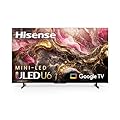
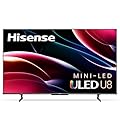

What is ULED Technology?
The Foundation of ULED
At its core, ULED is a marketing term coined by Hisense to describe their high-end LED-backlit LCD TVs that incorporate a collection of proprietary technologies. Unlike OLED or QLED, which refer to specific display technologies, ULED is a holistic approach that combines hardware and software enhancements to optimize picture quality. Hisense describes ULED as encompassing around 20 patented technologies, focusing on four key pillars: Ultra Local Dimming, Ultra Wide Color Gamut, Ultra 4K Resolution, and Ultra Smooth Motion Rate. These elements work together to create a viewing experience that rivals more expensive technologies while keeping costs accessible.
Breaking Down the ULED Pillars
Ultra Local Dimming
One of the standout features of ULED TVs is their use of full-array local dimming. This technology divides the TV’s backlight into multiple zones, each of which can be independently controlled to adjust brightness. For example, in a scene with a bright moon against a dark night sky, local dimming ensures the moon appears vivid while the surrounding sky remains deep and dark, minimizing light bleed. While most ULED models feature anywhere from 32 to 360 dimming zones, high-end models like the Hisense U9DG boast over 2,000,000 zones, delivering exceptional contrast and black levels that approach OLED quality.
Ultra Wide Color Gamut
Color performance is a critical factor in modern TVs, and ULED delivers here by supporting a wide color gamut, often covering up to 99.98% of the DCI-P3 color space. This means ULED TVs can display a broader range of colors, resulting in more lifelike and vibrant images. Whether you’re watching a nature documentary with lush green forests or a sci-fi blockbuster with neon cityscapes, ULED TVs ensure colors pop with accuracy and intensity. Some ULED models even incorporate quantum dot technology, further enhancing color purity and brightness, making them competitive with QLED displays.
Ultra 4K Resolution
All ULED TVs come equipped with 4K Ultra High-Definition resolution (3840 x 2160 pixels), which provides four times the pixel count of Full HD. This high resolution ensures sharper, more detailed images, especially when viewing 4K content like streaming movies, sports, or video games. The clarity of 4K combined with Hisense’s proprietary Hi-View processing engine makes every scene look crisp, whether you’re watching upscaled HD content or native 4K media.
Ultra Smooth Motion Rate
Motion handling is another area where ULED TVs shine. Hisense’s Ultra Smooth Motion technology uses advanced algorithms to reduce motion blur, making it ideal for fast-paced content like sports, action movies, or gaming. By inserting frames or using backlight scanning, ULED TVs create smoother transitions, eliminating the distracting “halo” effect around moving objects. Many models support refresh rates up to 120 Hz or even 165 Hz, ensuring fluid visuals that keep up with the action.
Key Features of ULED TVs
Advanced Processing with Hi-View Engine
The heart of ULED’s performance lies in Hisense’s Hi-View processing engine. This powerful chipset constantly analyzes on-screen content and adjusts local dimming, brightness, color, and motion in real-time. The result is a dynamic picture that adapts to the content, whether it’s a dimly lit horror movie or a brightly lit sports match. The Hi-View engine also supports HDR formats like HDR10 and Dolby Vision, enhancing dynamic range for brighter highlights and deeper shadows.
Quantum Dot Integration
While not all ULED TVs use quantum dots, many higher-end models incorporate this technology to boost color and brightness. Quantum dots are tiny semiconductor particles that emit precise colors when illuminated, resulting in a wider color gamut and higher peak brightness. This makes ULED TVs with quantum dots comparable to QLED TVs, offering vibrant visuals at a more budget-friendly price point.
Gaming Performance
For gamers, ULED TVs are a fantastic choice. Models like the Hisense U8 series support features like a 120 Hz or 165 Hz refresh rate, low input lag, and variable refresh rate (VRR) technology, which syncs the TV’s refresh rate with a gaming console like the PS5 or Xbox Series X. These features reduce screen tearing and ensure smooth gameplay, making ULED TVs a great fit for immersive gaming experiences. Additionally, the Ultra Smooth Motion Rate enhances responsiveness, giving gamers a competitive edge.
Affordability and Value
One of the biggest advantages of ULED TVs is their affordability compared to OLED and premium QLED models. While OLED TVs are known for their perfect blacks and high contrast, they come with a premium price tag and potential issues like burn-in. QLED TVs, while more affordable than OLED, can still be expensive, especially for larger screen sizes. ULED TVs strike a balance, offering high-end features like quantum dots, local dimming, and 4K resolution at a price that’s accessible to a wider range of consumers.
Screen Size Options
ULED TVs are available in a range of sizes, typically from 50 to 75 inches, with some models like the Hisense ULED Series reaching up to 100 inches. This versatility makes them suitable for various room sizes, from cozy bedrooms to expansive living rooms. Whether you’re looking for a compact TV or a massive home theater centerpiece, ULED has options to fit your needs.
How ULED Compares to Other TV Technologies
ULED vs. QLED
QLED TVs, developed by Samsung and used by other brands like TCL and Hisense, rely on quantum dot technology to enhance color and brightness. While some ULED TVs also use quantum dots, the key difference lies in ULED’s holistic approach, combining multiple technologies like local dimming and motion smoothing. QLED TVs often excel in brightness and color volume, making them ideal for bright rooms, but ULED TVs offer similar performance at a lower price. Additionally, QLED TVs are available in both 4K and 8K resolutions, while ULED is currently limited to 4K.
ULED vs. OLED
OLED TVs, known for their self-illuminating pixels, deliver unmatched contrast and perfect blacks by turning off individual pixels. This makes them ideal for dark room viewing and cinematic experiences. However, OLEDs are more expensive, less bright than LED-based TVs, and susceptible to burn-in. ULED TVs, with their full-array local dimming, come close to OLED’s contrast levels while offering higher brightness and no risk of burn-in, making them better suited for bright rooms and varied content.
ULED vs. Mini-LED
Many newer ULED models incorporate Mini-LED technology, which uses smaller LEDs for more precise backlight control and higher contrast. Mini-LED ULED TVs, like the Hisense U8N, offer improved black levels and reduced blooming compared to standard LED-backlit models. While not all ULED TVs are Mini-LED, those that are provide a significant performance boost, making them competitive with premium QLED and even some OLED displays.
Benefits of Choosing a ULED TV
Stunning Picture Quality
With their combination of 4K resolution, wide color gamut, and local dimming, ULED TVs deliver breathtaking visuals. Whether you’re watching a blockbuster movie, a live sports event, or playing a high-intensity video game, the picture quality is sharp, vibrant, and immersive.
Versatility for All Content
ULED TVs are designed to handle a wide range of content. The Ultra Smooth Motion Rate ensures smooth visuals for sports and action scenes, while the wide color gamut and HDR support make movies and shows look cinematic. Gamers benefit from low input lag and high refresh rates, making ULED TVs a versatile choice for any household.
Energy Efficiency
Compared to OLED TVs, which consume more power due to their self-illuminating pixels, ULED TVs are more energy-efficient. Their LED backlights and optimized processing reduce power consumption, making them a more eco-friendly option for long-term use.
Durability and Longevity
Unlike OLED TVs, which can suffer from burn-in over time, ULED TVs use LED technology, which is more durable and resistant to image retention. This makes them a reliable choice for heavy users who leave their TVs on for extended periods, such as for gaming or background viewing.
Budget-Friendly Premium Experience
ULED TVs offer many of the same features as high-end QLED and OLED models but at a fraction of the cost. This makes them an excellent choice for consumers who want a premium viewing experience without the premium price tag.
Ideal Use Cases for ULED TVs
Home Theater Enthusiasts
For movie lovers, ULED TVs provide a cinematic experience with their high contrast, vibrant colors, and support for HDR formats like Dolby Vision. The large screen sizes and sharp 4K resolution make them perfect for creating an at-home theater setup.
Sports Fans
Sports enthusiasts will appreciate the Ultra Smooth Motion Rate, which ensures fast-moving action—like a soccer ball flying across the screen—remains clear and blur-free. The bright displays and wide viewing angles also make ULED TVs great for group viewing during game day gatherings.
Gamers
With high refresh rates, low input lag, and VRR support, ULED TVs are a gamer’s dream. Whether you’re playing fast-paced shooters or immersive RPGs, the responsive visuals and vibrant colors enhance the gaming experience.
Everyday Viewing
For families or casual viewers, ULED TVs offer a balance of performance and affordability. Their versatility makes them suitable for everything from streaming Netflix to watching news or kids’ shows, ensuring everyone in the household enjoys a great picture.
Popular ULED TV Models
Hisense U8 Series
The Hisense U8 series is a flagship ULED lineup, often praised for its Mini-LED technology, high peak brightness (up to 3000 nits), and excellent gaming features like 165 Hz refresh rates. It’s a top choice for those seeking a premium experience at a mid-range price.
Hisense U7 Series
The U7 series offers a balance of performance and value, with full-array local dimming, quantum dot technology, and a 120 Hz refresh rate. It’s ideal for sports fans and gamers looking for a versatile TV.
Hisense U9DG
The U9DG is a standout model with its Dual Cell technology, boasting millions of dimming zones for OLED-like contrast. It’s a premium option for those who want the best of ULED technology.